
Get Your House in Order with These Budgeting Worksheets
Why Household Budget Worksheets Are Your Best First Step Toward Financial Clarity
Household budget worksheets are structured tools that help you track every dollar coming in and going out each month — so you always know where you stand financially.
Here are the best free and reliable sources to get started right now:
| Resource | Format | Best For |
|---|---|---|
| consumer.gov | PDF / Printable | Simple, no-frills tracking |
| Microsoft Excel | Spreadsheet | Automated formulas |
| Canva | Printable / PDF | Visual, customizable layouts |
| Lazid Finance | Spreadsheet / PDF | Family financial planning |
Most people think they know where their money goes. They don’t.
Studies consistently show that people underestimate their spending — especially on small, irregular expenses like meals out, subscriptions, and car maintenance. A worksheet forces those costs into the open.
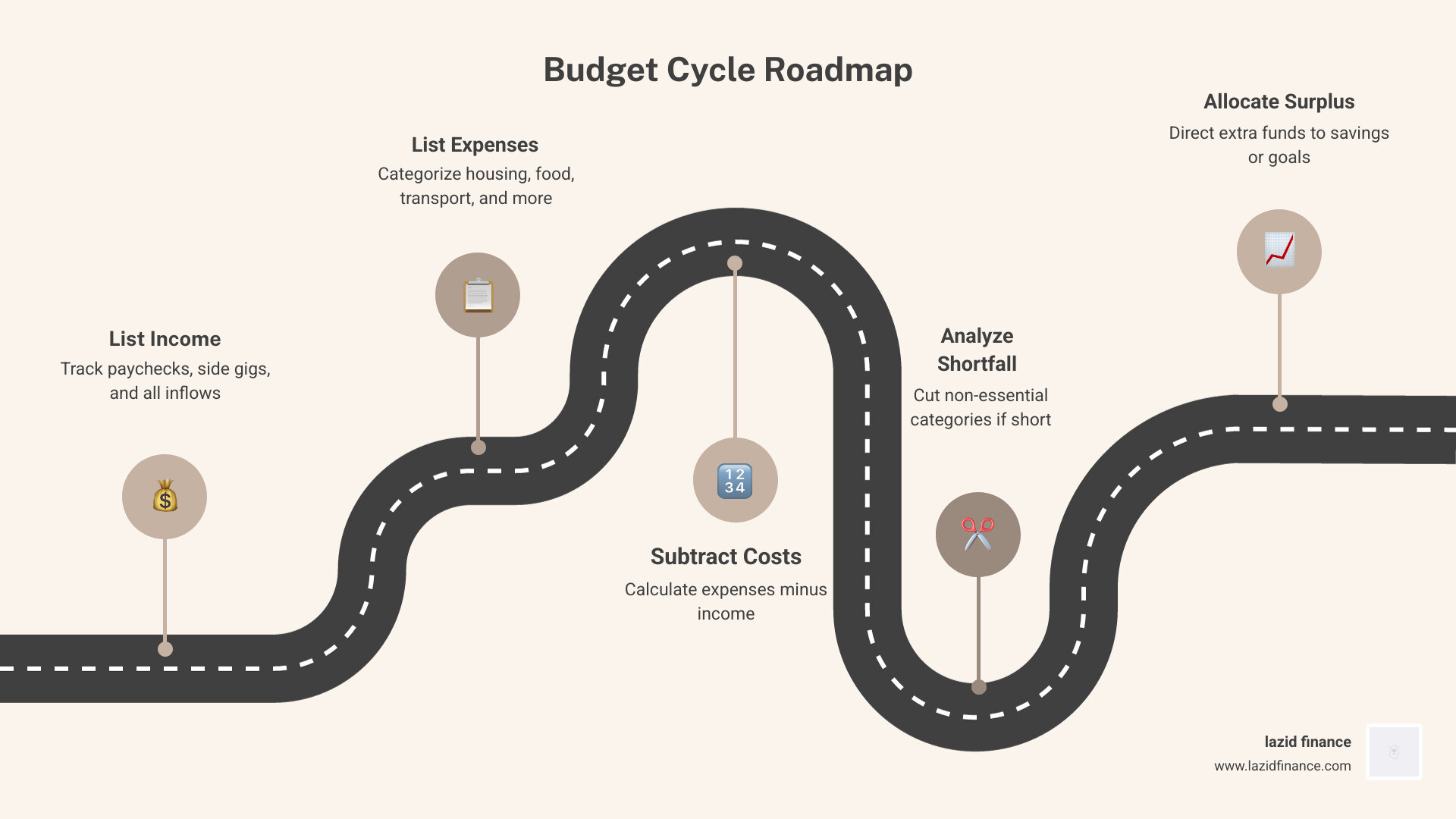
The process is simple:
- List all income — paychecks, side jobs, child support, anything
- List all expenses — housing, food, transport, health, and everything else
- Subtract expenses from income
- If you’re short, find categories to cut
- If you have a surplus, put it toward savings or goals
That’s the whole system. The worksheet is just the structure that makes it stick.
In April 2026, with household costs still running high, having a clear picture of your cash flow isn’t optional — it’s the foundation of every smart financial decision you’ll make this year.
Why Household Budget Worksheets are Essential in 2026
As we navigate through April 2026, the economic landscape continues to shift. While we’ve seen some stabilization, the reality of “cost-of-living creep” is very real. We believe that financial management isn’t just about restriction; it’s about empowerment. Using household budget worksheets is the single most effective way to gain spending awareness and ensure your hard-earned money is working as hard as you do.
At Lazid Finance, we advocate for “mindful money.” This means making conscious choices rather than letting your bank balance dictate your life. A worksheet acts as a financial GPS. Without it, you’re just driving in the dark. By utilizing tools like our Lazid Finance: Take control of your financial life worksheet, you can identify exactly where your cash flow is leaking.
In 2026, two factors make these worksheets more essential than ever:
- Inflation Adjustments: Prices for groceries and utilities in 2026 aren’t what they were two years ago. A static budget from 2024 is now obsolete. Worksheets allow you to update these figures in real-time.
- Emergency Fund Protection: With the gig economy expanding, income can be volatile. Tracking your “burn rate” (how much you spend to live) helps you calculate exactly how much you need in an emergency fund to feel secure.
How to Create and Fill Out Your Spending Plan
Starting a budget can feel like a chore, but we like to think of it as “designing your future.” To begin, you need to gather your data. Pull up your bank apps, grab your credit card statements from the last 30 days, and find a quiet spot to sit down.

Step 1: Income Tracking
List every source of money coming into your household. This includes:
- Primary wages (use your “take-home” pay, which is the amount after taxes and insurance are deducted).
- Side hustles or freelance income.
- Government benefits or disability support.
- Child support or alimony received.
- Investment dividends or rental income.
Step 2: Expense Tracking
This is where the magic happens. You’ll want to list everything you spend. To make this easier, we’ve developed the Lazid Finance Comprehensive Budget Worksheet which breaks these down into manageable chunks.
| Category | Projected (Budgeted) | Actual Spent | Difference |
|---|---|---|---|
| Housing | $1,800 | $1,800 | $0 |
| Groceries | $600 | $740 | -$140 |
| Utilities | $250 | $230 | +$20 |
| Entertainment | $150 | $210 | -$60 |
| Total | $2,800 | $2,980 | -$180 |
Step 3: The Math (Deficit vs. Surplus)
Subtract your total expenses from your total income.
- If you have a Surplus: Congratulations! This is money that can be moved into high-yield savings, retirement accounts, or used to pay down debt faster.
- If you have a Deficit: Don’t panic. This is a common starting point. A deficit simply means your current lifestyle is outperforming your income. It’s time to look at the “discretionary” column and see what can be trimmed.
Categorizing Your Spending for Accuracy
To get the most out of household budget worksheets, you must be specific. Broad categories lead to “mystery spending.” We recommend breaking your list into:
- Housing: Rent/mortgage, property taxes, insurance, and HOA fees.
- Transportation: Car payments, gas, public transit passes, and that inevitable “check engine light” fund.
- Food: Separate “Groceries” (essential) from “Dining Out/Delivery” (discretionary).
- Healthcare: Premiums, co-pays, and prescriptions.
- Personal Care: Haircuts, gym memberships, and laundry.
- Debt Payments: Credit cards, student loans, and personal loans.
Handling Irregular Income and Non-Monthly Expenses
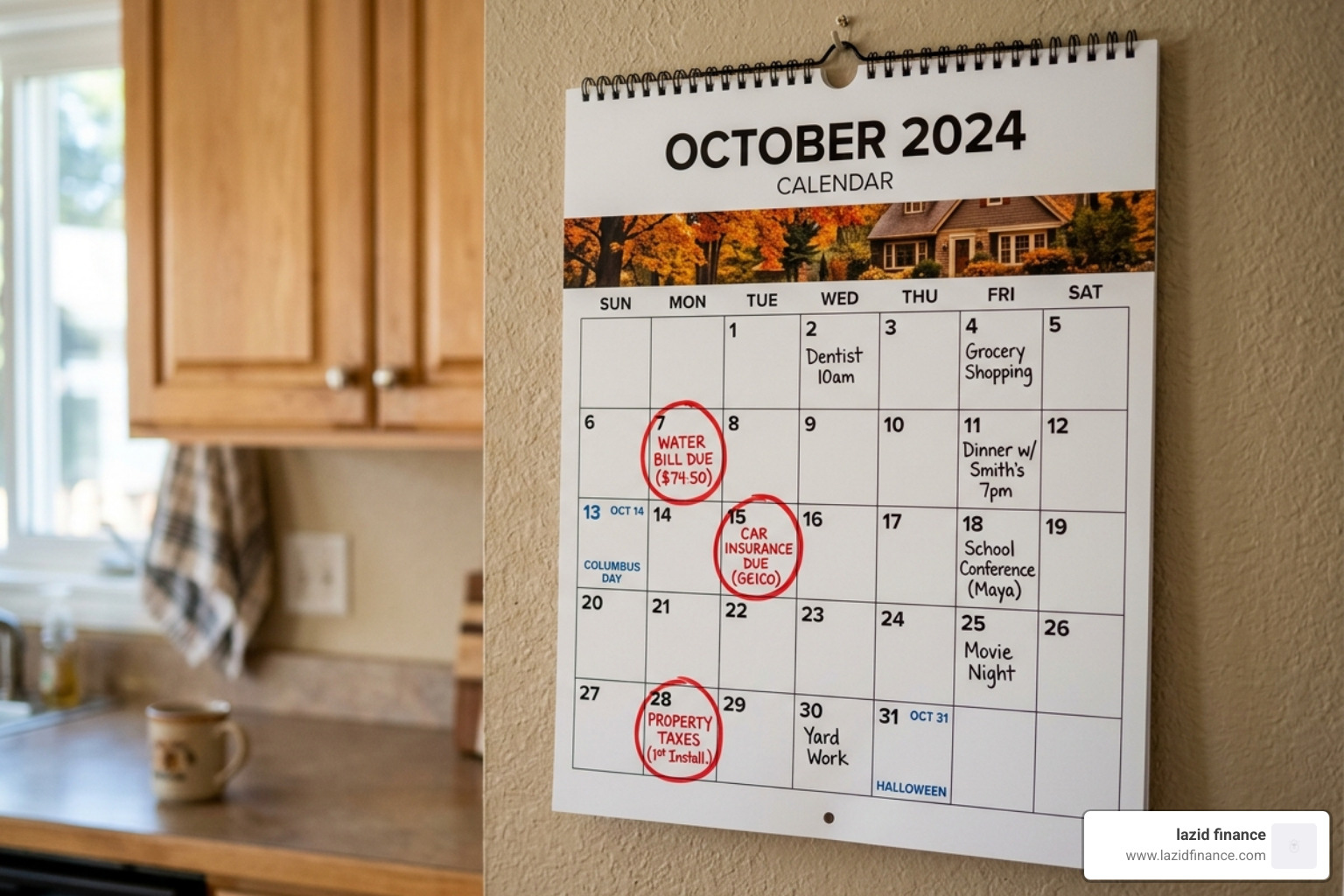
One of the biggest reasons budgets fail is the “Surprise Expense”—which usually isn’t a surprise at all. We’re talking about the quarterly water bill, the annual car registration, or the semi-annual insurance premium.
To handle these, use a frequency multiplier. If your car insurance is $600 every six months, divide that by six. You should “bill yourself” $100 every month and put it in a dedicated savings folder. When the bill arrives in October, the money is already there.
For those with irregular income (like freelancers or sales professionals), we suggest budgeting based on your lowest earning month of the last year. Anything earned above that amount is treated as a “bonus” for savings or debt reduction.
Choosing the Best Household Budget Worksheets for Your Family
There is no “one-size-fits-all” in personal finance. The best worksheet is the one you will actually use. Whether you prefer the tactile feel of a pen or the automation of a digital sheet, the goal is consistency.
We offer a Lazid Finance: Customizable Budget Spreadsheet Library that caters to different preferences. When selecting a template, look for:
- User-friendly design: It shouldn’t look like a tax return.
- Automated formulas: If you’re using a digital version, it should do the math for you.
- Flexibility: You should be able to add or delete categories easily.
Digital vs. Printable Household Budget Worksheets
- Digital (Excel/Google Sheets): Best for those who want automation. These sheets can calculate percentages (like the 50/30/20 rule) automatically and provide visual charts of your spending. They are also easy to update on the go via mobile apps.
- Printable (PDF): Best for those who find digital screens distracting. There is a psychological benefit to physically writing down your expenses–it makes the spending feel more “real.”
Customizing Household Budget Worksheets for Different Life Stages
Your budget should evolve as you do.
- Students: Focus on tuition, books, and modest “social” categories.
- New Families: You’ll need to add heavy categories for childcare, diapers, and education savings.
- Pet Owners: Don’t forget to include pet insurance, food, and annual vet visits.
- Retirement Tracking: Focus on “target spending” — what you plan to spend once you stop working.
- Disability Resources: For those managing disabilities, worksheets should include specific lines for specialized care, equipment maintenance, and navigating benefit income. For more information on managing finances with a disability, you can visit USA.gov.
Common Mistakes and Tracking Tips for Success
Even with the best household budget worksheets, human error can creep in. We’ve seen it all, and usually, it comes down to three things:
- Underestimating Variable Costs: You might budget $100 for “Maintenance,” but then you need four new tires. Always lean toward overestimating your costs.
- Ignoring the “Small” Stuff: Those $5 app subscriptions and $3 bank fees add up. In a year, a $15 monthly subscription is $180. That’s a grocery trip!
- Losing Momentum: Budgeting is a muscle. If you miss a week, don’t quit. Just start again today.
Pro Tip: Use your bank’s mobile app to track spending in real-time. Every Friday, take five minutes to transfer those numbers into your worksheet. This prevents the “End-of-Month Scramble” where you’re trying to remember what you bought three weeks ago.
Comparing Budgeted Amounts to Actual Spending
At the end of the month, perform a “Variance Analysis.” Look at the “Difference” column in your worksheet.
- If you consistently overspend in “Dining Out,” don’t just feel guilty—adjust the budget. Maybe you need to allocate more to groceries to encourage cooking at home, or maybe you just need to be honest that you enjoy restaurants and cut back elsewhere to afford them.
- Financial Habit Modification: The worksheet is a mirror. If you don’t like what you see, change the habit.
Frequently Asked Questions about Household Budgeting
What should I do if my expenses exceed my income?
First, take a deep breath. You’ve already done the hardest part: identifying the problem. Next, categorize your expenses into “Needs” and “Wants.” Cut the “Wants” immediately. If you’re still in a deficit, it’s time to look at the “Needs.” Can you switch to a cheaper phone plan? Can you meal prep to save $200 a month? If the gap is still large, consider reaching out to a credit counseling agency or exploring ways to increase income, such as selling unused items or taking on a side gig.
How often should I update my budget worksheet?
We recommend a “Weekly Check-in” and a “Monthly Deep Dive.” Spend 10 minutes every Sunday night updating your actual spending. Then, on the last day of the month, spend 30 minutes reviewing the whole month and setting your targets for the next one.
Can I use these worksheets for a small home business?
While household budget worksheets are designed for personal use, they can serve as a basic template for a very small side hustle. However, for tax purposes, we strongly recommend keeping your business and personal finances separate. Use a dedicated worksheet for your business to track “Revenue” and “Operating Expenses” so you’re prepared for tax season.
Conclusion
Taking control of your finances in April 2026 doesn’t require a degree in accounting; it just requires the right tools and a bit of discipline. By using household budget worksheets, you are moving from a state of financial “guessing” to a state of financial “knowing.”
At Lazid Finance, we believe that every conscious decision you make today builds the foundation for a freer tomorrow. Whether you are saving for your first home, planning for a family, or simply trying to breathe easier between paychecks, our Smart finance solutions for your home are here to help you navigate your journey with confidence.
Get your house in order today—your future self will thank you.

