
Never Miss a Payment with a Digital Bill Organizer App
The Bills Are Piling Up — Here’s How a Digital Bill Organizer App Fixes That
A digital bill organizer app is the fastest way to stop missing payments, avoid late fees, and keep all your recurring expenses in one place. Modern financial tools offer a variety of ways to manage your budget, from automated bank syncing to manual entry for maximum privacy.
Between rent, utilities, streaming subscriptions, credit cards, and insurance — keeping track of every due date is genuinely hard.
And the cost of not keeping track? The average person wastes over $250 a year in late fees alone — simply because bills are scattered across emails, paper statements, and forgotten tabs.
It gets worse. Between 50% and 67% of U.S. adults are living paycheck to paycheck. One missed payment can trigger a late fee, a credit score dip, and a cycle that’s tough to break.
The good news: the right app can solve this almost immediately. The tricky part is choosing the right one — because they’re not all built the same way.
Some connect to your bank automatically. Others keep everything private and offline. Some are built for solo users. Others are designed for couples, families, or even small businesses.
This guide breaks down the best features of digital bill organizer apps, so you can find the one that actually fits your life.
Why You Need a Digital Bill Organizer App in 2026

In 2026, our financial lives are more fragmented than ever. We no longer just have a “light bill” and “rent.” We have multiple streaming services, software subscriptions, gym memberships, and “Buy Now, Pay Later” installments. Without a digital bill organizer app, it is mathematically probable that something will slip through the cracks.
The Real Cost of Disorganization
The statistics are sobering. Beyond the $250 wasted on late fees, missed payments are a primary driver of credit score damage. A single payment that is 30 days late can tank a high credit score by 60 to 100 points. For those living paycheck to paycheck—which accounts for up to 67% of workers according to recent reports—that late fee isn’t just an annoyance; it’s money taken directly from the grocery or gas budget.
Subscription Management and Hidden Leaks
One of the biggest benefits of modern apps is “subscription discovery.” Many of us are paying for “zombie subscriptions”—services we signed up for years ago and no longer use. Advanced tracking tools specialize in identifying these leaks. By centralizing your tracking, you gain a level of financial mindfulness that manual spreadsheets simply can’t provide.
Protection Through Automation
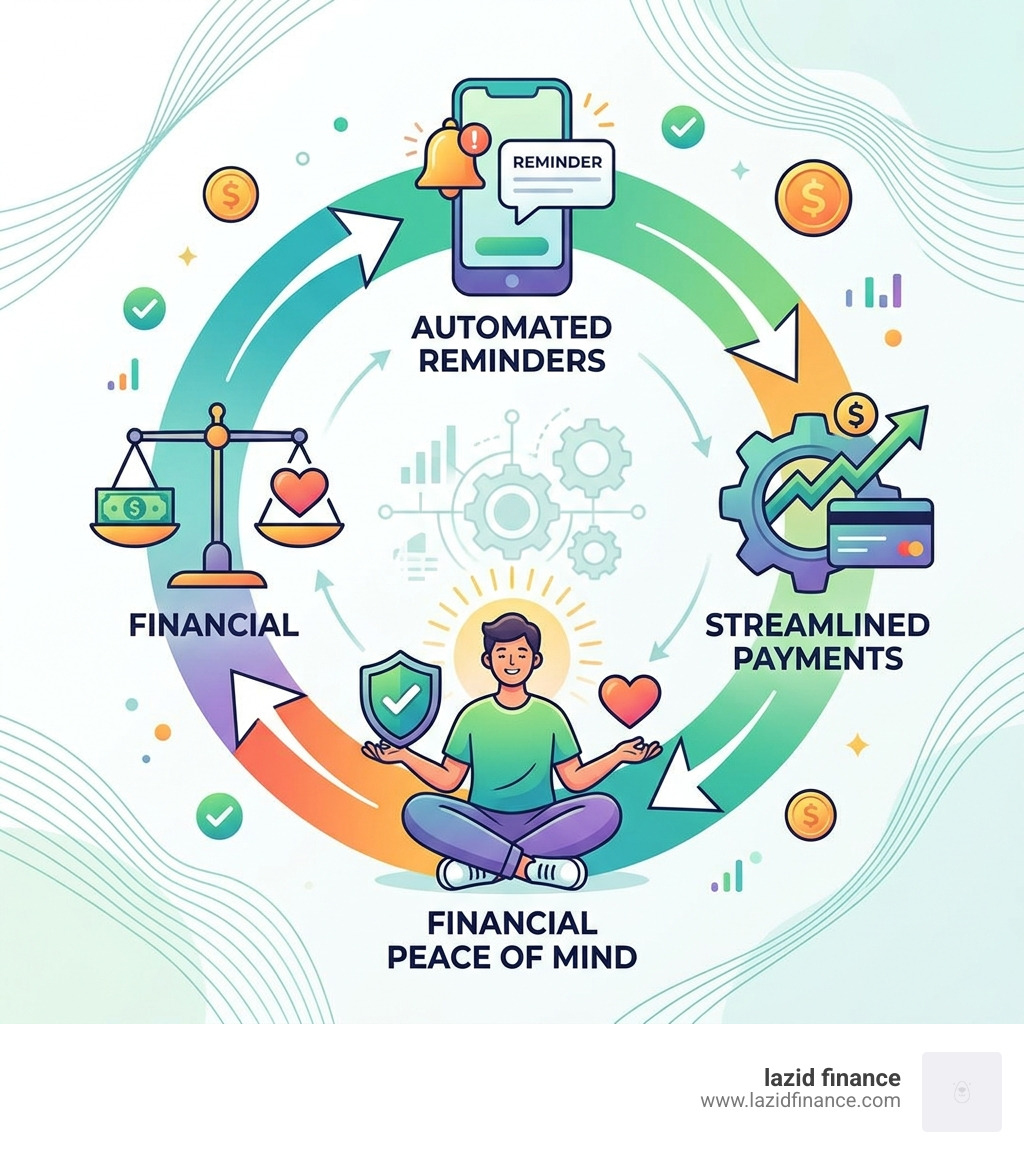
The psychological relief of knowing you won’t miss a payment is a major factor. The Importance of Centralized Bill Tracking lies in moving from a reactive state (scrambling when an email arrives) to a proactive state. Most top-tier apps now offer automated reminders that ping you three days before a bill is due, giving you enough time to ensure your account is funded.
Top Features to Compare in Modern Bill Trackers
When we look at the landscape of apps in 2026, we see a clear divide between two philosophies: automation and manual control. Choosing the right digital bill organizer app depends on which side of that line you prefer.
| Feature | Automation-Focused | Privacy-Focused |
|---|---|---|
| Data Entry | Automatic via Bank Sync (Plaid) | AI Scanning or Manual Entry |
| Privacy | Data stored on cloud/servers | Local storage / iCloud only |
| Connectivity | Requires bank login | No bank connection required |
| Updates | Real-time transaction tracking | Manual “Mark as Paid” |
AI Scanning: The New Standard
A standout feature in 2026 is AI-powered extraction. Modern apps allow you to take a photo of a paper bill or upload a PDF. Within seconds, the AI identifies the amount, the due date, and the biller with over 90% accuracy. This bridges the gap for users who want the speed of automation without the perceived security risk of linking a bank account.
Security and Biometrics
Security is non-negotiable. Most reputable apps now use 256-bit bank-level encryption. Furthermore, biometric login (Face ID or Touch ID) has become a standard requirement to ensure that even if someone handles your phone, your financial data remains private. Essential Features for AI-Powered Bill Tracking must include these layers of protection to be considered viable in today’s digital climate.
Best Digital Bill Organizer App for Privacy and Security
For many of us, the idea of linking every credit card and bank account to a third-party app is a dealbreaker. This is where “privacy-first” apps shine.
These tools operate on a “zero-tracking” policy. Instead of storing your data on their own servers, they use local storage or your private cloud account. This means the developers never see your spending habits, and your data isn’t sold to advertisers. How to Evaluate App Security Standards involves looking for apps that offer anonymous signups and SSL encryption, ensuring that your financial footprint remains yours alone.
Best Digital Bill Organizer App for Families and Shared Finances
Managing a household is essentially running a small business. You have shared utilities, groceries, and perhaps a mortgage, alongside individual expenses.
Leading household management tools are the heavy hitters in this category. They offer “Family Groups” where multiple users can see the same dashboard. This prevents the “Who paid the electric bill?” confusion that often leads to double payments or, worse, no payment at all.
Some tools even include debt payoff strategies like the “Snowball” or “Avalanche” methods directly integrated with your bills. This allows families to not just pay their bills on time, but to actively strategize their way out of debt. Collaborative Financial Planning Tools like these provide a “crisis protection” layer; if one partner handles the finances and becomes incapacitated, the other has a clear, organized roadmap to follow.
How to Choose the Right App for Your Financial Goals
Choosing the right digital bill organizer app isn’t about finding the “best” app—it’s about finding the best app for you.
- Determine Your Automation Comfort Level: Do you want the app to do everything for you? Or do you want to manually enter data to stay “closer” to your money?
- Check Your Device Ecosystem: Some apps are built specifically for certain operating systems and take full advantage of platform-specific features like cloud sync and voice shortcuts.
- Evaluate the Cost: Most apps offer a free tier. If you have a complex financial life with 30+ recurring payments, you should budget for a premium subscription, which usually ranges from $3 to $8 per month.
- Look for Multi-Currency Support: If you travel frequently or live abroad, look for tools that support dozens of currencies, making them ideal for international users.
Customizing Your Bill Management Workflow is the final step. Once you’ve picked an app, spend 20 minutes setting up your “cadence”—the specific reminder times that work for you (e.g., three days before the due date and again on the morning of).
Frequently Asked Questions about Bill Management
How do digital bill organizers protect my data?
Most apps use 256-bit encryption, the same standard used by banks. Privacy-focused apps take this a step further by storing data locally on your device or in your personal cloud (like iCloud), meaning the app developer never actually has access to your information. Always look for apps that offer biometric security (Face ID) and have a clear “no-tracking” policy in their terms of service.
Can I manage shared household bills with an app?
Yes! Many apps now feature “Family Sharing” or “Groups.” This allows roommates or partners to sync their apps. When one person marks a bill as “paid,” it updates in real-time on the other person’s device. This is particularly useful for avoiding late fees on shared utilities or rent.
What is the difference between free and premium bill trackers?
Free versions typically limit the number of bills or accounts you can track (usually between 5 and 25). Premium versions unlock unlimited tracking, bank syncing, advanced reporting (like pie charts of your spending), and the ability to export your data to CSV files for tax purposes. Some premium versions also remove ads and provide priority customer support.
Conclusion
At Lazid Finance, we believe that financial peace of mind starts with organization. A digital bill organizer app is more than just a list of due dates; it is a tool for mindful financial decisions. By centralizing your expenses, you stop reacting to crises and start making smart finance solutions tailored for your future.
Whether you choose an AI-powered scanner or a comprehensive family tool, the goal is the same: to gain control. We encourage you to explore these smart financial tools and take the first step toward a life free from late fees and money-related stress. Start small, stay consistent, and watch how much your financial health improves when you simply know where your money is going.

