
How to Budget Without Crying
Why Budgeting Advice for Young Adults is Non-Negotiable in 2026
Budgeting advice for young adults is something most people wish they’d gotten sooner — and in April 2026, with entry-level salaries averaging just $3,168 a month, it matters more than ever.
Here’s a quick overview of the core steps:
- Calculate your net pay (what actually hits your bank account, not your gross salary)
- Track your spending for at least two weeks to see where your money really goes
- Use the 50/30/20 rule — 50% to needs, 30% to wants, 20% to savings and debt
- Build an emergency fund of at least $500–$1,000 to start, then grow it to 3–6 months of expenses
- Automate your savings so money moves before you can spend it
- Pay down high-interest debt while consistently saving for retirement
Managing money in your 20s can feel overwhelming. Nobody teaches you this stuff in school — only about half of U.S. states even require a personal finance course. And the consequences of winging it are real: over 50% of adults aged 18 to 29 say unexpected expenses are their biggest financial challenge.
The good news? You don’t need to be a math genius or earn a six-figure salary to get your finances under control. Small, consistent habits started now compound into serious financial freedom later.
This guide walks you through everything — step by step, without the jargon.
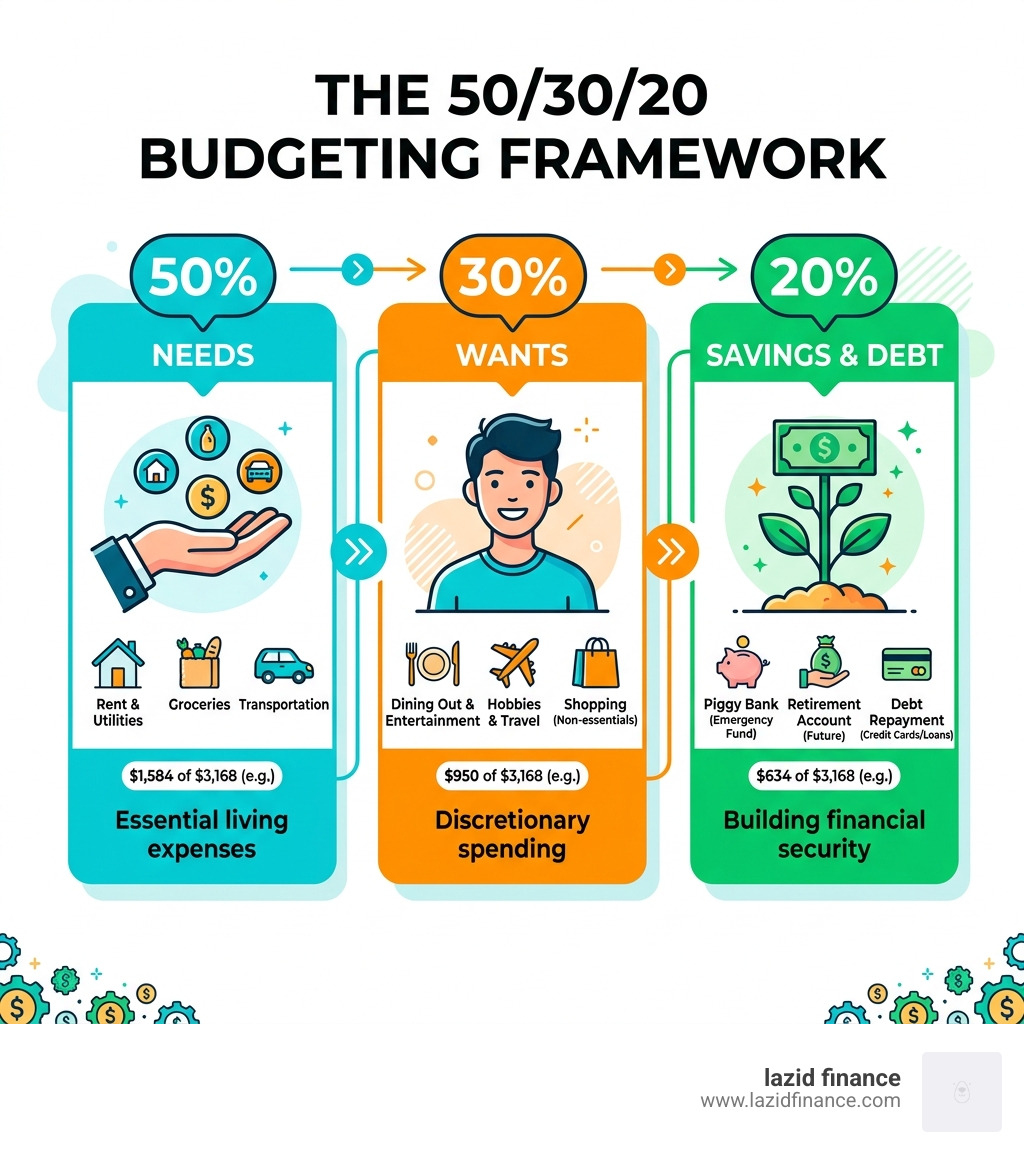
If you feel like your bank account is constantly gasping for air, you aren’t alone. According to the U.S. Bureau of Labor Statistics, young adults aged 20 to 24 earn an average of $3,168 per month. Compare that to the $5,328 earned by those in the 35–44 age bracket, and it’s clear why the “struggle” feels so real. We are essentially playing the game of life on “Hard Mode” during our early twenties.
The problem isn’t just low starting pay; it’s the lack of a plan. About a quarter of adults aged 18 to 29 admit they don’t have a formal budget, preferring “mental budgeting.” Spoiler alert: mental budgeting is usually just a fancy way of saying “I hope I have enough for rent on the 1st.” Research shows that 84% of people who budget regularly still end up overspending and leaning on credit cards to bridge the gap. Without a written strategy, decision fatigue sets in, and those “small” impulse buys start to look like a mountain of debt.
Budgeting 101 for Young Adults teaches us that a budget isn’t a cage; it’s a compass. It gives us the power to decide where our money goes instead of wondering where it went. Beyond just surviving the month, starting now allows you to harness the magic of compound interest. A dollar saved in your 20s is worth significantly more than a dollar saved in your 40s because it has decades to grow. By ignoring budgeting advice for young adults, we aren’t just risking a late fee today; we are sacrificing our future wealth.
Step-by-Step: Creating Your First Personal Budget

The biggest mistake we see young professionals make is “Gross Salary Optimism.” If you land a job paying $50,000 a year, you might assume you have $4,167 to spend every month. In reality, after federal taxes, FICA (Social Security and Medicare), and state taxes, your actual take-home pay—your net income—is likely closer to $3,200.
To build a budget that won’t make you cry, follow these steps:
- Calculate Your True Net Income: Look at your actual pay stubs. Include all income sources, including side hustles or freelance gigs, but only count money that actually hits your account.
- The 14-Day Spend Trace: Before you change a single habit, track every single dollar you spend for two weeks. Use an app or a simple notepad. Americans underestimate their spending by an average of 23%, and this exercise usually reveals the “leaks”—like that $4 daily coffee that drains $1,460 a year.
- Categorize Your Costs: Separate your spending into Fixed Costs (rent, car insurance, internet) and Variable Costs (groceries, dining out, entertainment).
Needs vs. Wants: The Great Debate
One of the hardest parts of budgeting advice for young adults is being honest about what is a “need.” Use this table to help differentiate:
| Category | Examples (Needs) | Examples (Wants) |
|---|---|---|
| Housing | Rent, basic utilities, renter’s insurance | High-end furniture, smart home gadgets |
| Food | Groceries, meal prep staples | DoorDash, artisanal cocktails, fancy dinners |
| Transport | Car payment, gas, public transit pass | Upgraded trim levels, Uber Black |
| Personal | Basic hygiene, work-appropriate clothes | Designer labels, 12-step skincare routines |
According to Budgeting for Young Adults A Step-by-Step Guide, your first budget won’t be perfect, and that’s okay. The goal is to avoid the “binge-restrict” cycle. If you currently spend $500 a month on fun, don’t try to cut it to $50 overnight. Try $425 first. Success builds momentum; perfection just builds frustration.
Choosing the Right Budgeting Advice for Young Adults Strategy
There is no one-size-fits-all method. We recommend picking the one that matches your personality:
- The 50/30/20 Rule: The gold standard. 50% of net pay goes to needs, 30% to wants, and 20% to savings and debt repayment.
- Zero-Based Budgeting: You “give every dollar a job” until your income minus expenses equals exactly zero. Great for those who love control.
- The Envelope System: You put cash into physical envelopes for categories like “Groceries” or “Fun.” When the cash is gone, you stop spending. This makes spending feel “tangible.”
- Loud Budgeting: A new trend for 2026 where you vocalize your financial boundaries. Instead of saying “I’m busy,” you tell your friends, “I’d love to see you, but a $100 concert isn’t in my budget this month. Want to hike instead?”
- The 75/15/10 Rule: 75% for living, 15% for long-term investing, and 10% for short-term savings.
Building a Safety Net and Managing Debt
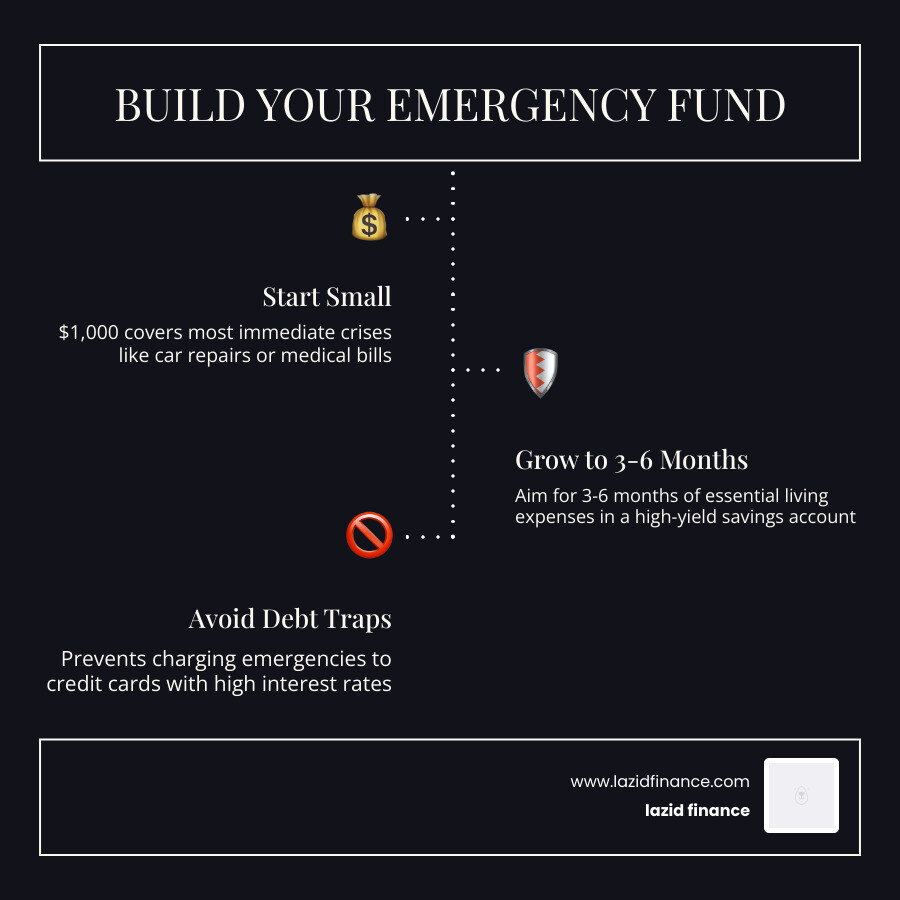
Life has a funny way of throwing curveballs exactly when your bank account is low. Whether it’s a flat tire or a medical bill, an emergency fund is your “financial shock absorber.” Experts suggest aiming for 3 to 6 months of living expenses, but don’t let that number scare you. Start with a goal of $500 to $1,000.
Having this starter fund is actually more important than aggressively paying off debt. Why? Because without it, the next emergency will go straight onto a credit card, trapping you in a cycle of high-interest debt.
Handling the Debt Monster
The average 22-year-old carries about $37,000 in student debt. When managing debt within your budget, keep these tips from 17 Financial Tips for Young Adults: Budgeting Made Easy in mind:
- Watch Your DTI: Lenders look for a Debt-to-Income ratio between 30% and 40%. Keep your total debt payments well below this to maintain a healthy credit score.
- Target High Interest First: While keeping up with minimums on all loans, throw any extra cash at the debt with the highest interest rate (usually credit cards).
- Credit Utilization: To keep your credit score high, try to use less than 30% of your available credit limit.
Automating Your Budgeting Advice for Young Adults Success
If you rely on willpower to save money, you’ve already lost. The most successful young adults “pay themselves first.” This means automating your finances so the “future you” gets paid before you have a chance to spend the money.
- Direct Deposit Splits: Ask your employer to send 10% of your check directly to a high-yield savings account (HYSA). If you never see it in your checking account, you won’t miss it.
- Round-Up Tools: Use apps or bank features that round up your purchases to the nearest dollar and invest the change.
- Retirement Accounts: If your employer offers a 401(k) match, take it! It is literally free money. If not, open a Roth IRA. Even $50 a month into a low-cost index fund can grow into hundreds of thousands over 40 years.
- Custom Alerts: Set up low-balance alerts on your phone so you aren’t surprised by an overdraft fee.
Frugal Habits and Smart Financial Tools

Being frugal doesn’t mean being miserable. It means being intentional. In 2026, the cost of “convenience” is higher than ever. A $12 lunch habit costs over $3,100 a year. By meal prepping just three days a week, you could save enough for a European vacation.
Here are some high-impact frugal habits:
- The Subscription Audit: We often pay for streaming services or gym memberships we don’t use. Cancel anything you haven’t touched in 30 days.
- Thrift and Consignment: High-quality furniture and clothing can often be found for 70% off retail at thrift stores.
- Negotiate Everything: From your internet bill to your starting salary, everything is negotiable. Studies show that effective negotiation in your 20s can lead to significantly higher lifetime earnings.
According to 14 Financial Tips for Young Adults, using tools like budgeting apps can reduce decision fatigue. Apps like YNAB (You Need A Budget), PocketGuard, or bank-integrated spending trackers do the heavy lifting for you.
If your income simply isn’t enough to cover your needs and 20% savings, it might be time for a side hustle. Whether it’s freelancing, tutoring, or pet sitting, ensure the extra income goes directly toward your financial goals—not just more spending.
Frequently Asked Questions about Budgeting
How much should I have saved by age 30?
A common benchmark is to aim for one times (1x) your annual salary saved for retirement by age 30. While this sounds daunting, starting early with a Roth IRA or 401(k) makes it achievable through compound growth. Additionally, you should have your 3–6 month emergency fund fully funded.
Should I pay off debt or save for an emergency first?
Build a “starter” emergency fund of $1,000 first. This prevents you from taking on new debt when life happens. Once that $1,000 is safe in a high-yield savings account, pivot to aggressively paying off high-interest debt (anything over 7-8% interest) before finishing the rest of your 3–6 month safety net.
What are the best free tools for budgeting?
Many banks now offer integrated “Spending & Budgeting” tools within their mobile apps for free. The FDIC also offers a curriculum called “Money Smart for Young Adults” which provides free modules on everything from credit reports to housing costs. For those who prefer a hands-on approach, a simple Google Sheets or Excel template is often the most flexible and effective tool.
Conclusion
At Lazid Finance, we believe that financial independence isn’t about how much you make; it’s about how much you keep and how mindfully you spend it. By following this budgeting advice for young adults, you are taking the first step toward a life of conscious decisions rather than constant financial stress.
A budget is a living document. It will change as you get raises, move apartments, or change your goals. The key is to start today. Even if you only save $20 this week, you are building the “muscle memory” of a successful investor.
Ready to take control? Use our smart finance solutions to make mindful choices and start your financial journey today. Your future self is already thanking you.

