
An Essential Guide to Personal Finance Apps
The Best Personal Finance Apps in 2026: A Quick Answer
A personal finance app is one of the most effective tools you can use to take control of your financial health — but with dozens of options out there, picking the right one is tough.
Here are the top categories of personal finance apps worth considering in 2026:
| Category | Best For | Starting Price |
|---|---|---|
| Comprehensive Trackers | Ease of use | $5.99/month |
| Zero-Based Budgeting | Goal-oriented planning | $9.08/month |
| Collaborative Tools | Couples & collaboration | $8.33/month |
| Envelope Budgeting | Visual spenders | Free (premium available) |
| All-in-one Banking | Integrated services | $14.99/month |
| Free Tracking | Basic monitoring | Free |
Managing money used to mean spreadsheets, paper envelopes, or just hoping your bank account didn’t hit zero before payday.
That’s changed.
Modern personal finance apps now connect to thousands of financial institutions, track your spending automatically, and even use AI to spot patterns you’d never notice yourself. Some apps go even further — helping couples budget together, flagging forgotten subscriptions, or projecting where your finances will be months from now.
But here’s the problem: not every app works the same way. Some use rigid budgeting rules. Others are more flexible. Some are free; others cost a monthly subscription. And a major shift happened recently when a once-dominant personal finance app shut down and migrated its features to a credit monitoring platform, leaving millions of users searching for a new home for their financial data.
Whether you’re trying to pay off debt, save for something big, or just stop wondering where your money went, this guide breaks down the best options so you can find the right fit fast.
Core Features of a Modern Personal Finance App
In 2026, a personal finance app is far more than just a digital checkbook. The industry has evolved into a high-tech ecosystem designed to give us “money clarity.” When we look at the leading tools in the market, several core functionalities stand out as the gold standard for anyone looking to manage their wealth effectively.
Account Aggregation and Connectivity
The backbone of any modern financial tool is its ability to talk to your bank. Leading apps now offer connectivity to over 14,000 to 17,000 financial institutions. This means your checking accounts, credit cards, loans, real estate holdings, and even cryptocurrency platforms can all be viewed in one central “home base.” By linking these accounts, we no longer have to log into five different portals to see our total financial picture.
Transaction Categorization and Real-Time Alerts
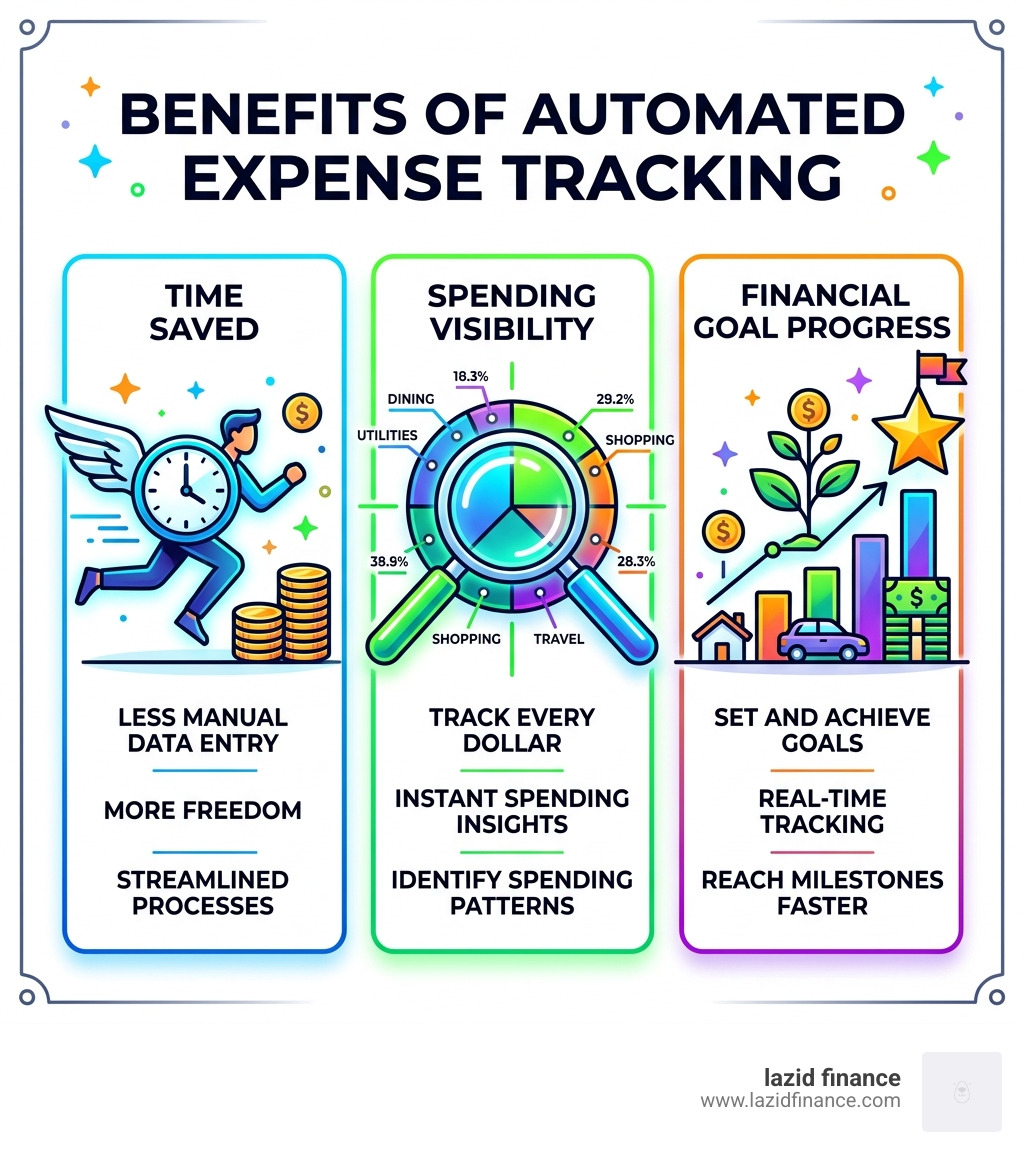
Gone are the days of manual entry. Modern apps use sophisticated algorithms to auto-categorize your transactions. Did you just buy a latte? The app flags it as “Dining & Drinks” instantly. This real-time spending visibility allows for immediate feedback. Many apps now provide customizable alerts that notify us if we’ve exceeded a category limit or if a large, unexpected charge hits our account.
Net Worth Tracking
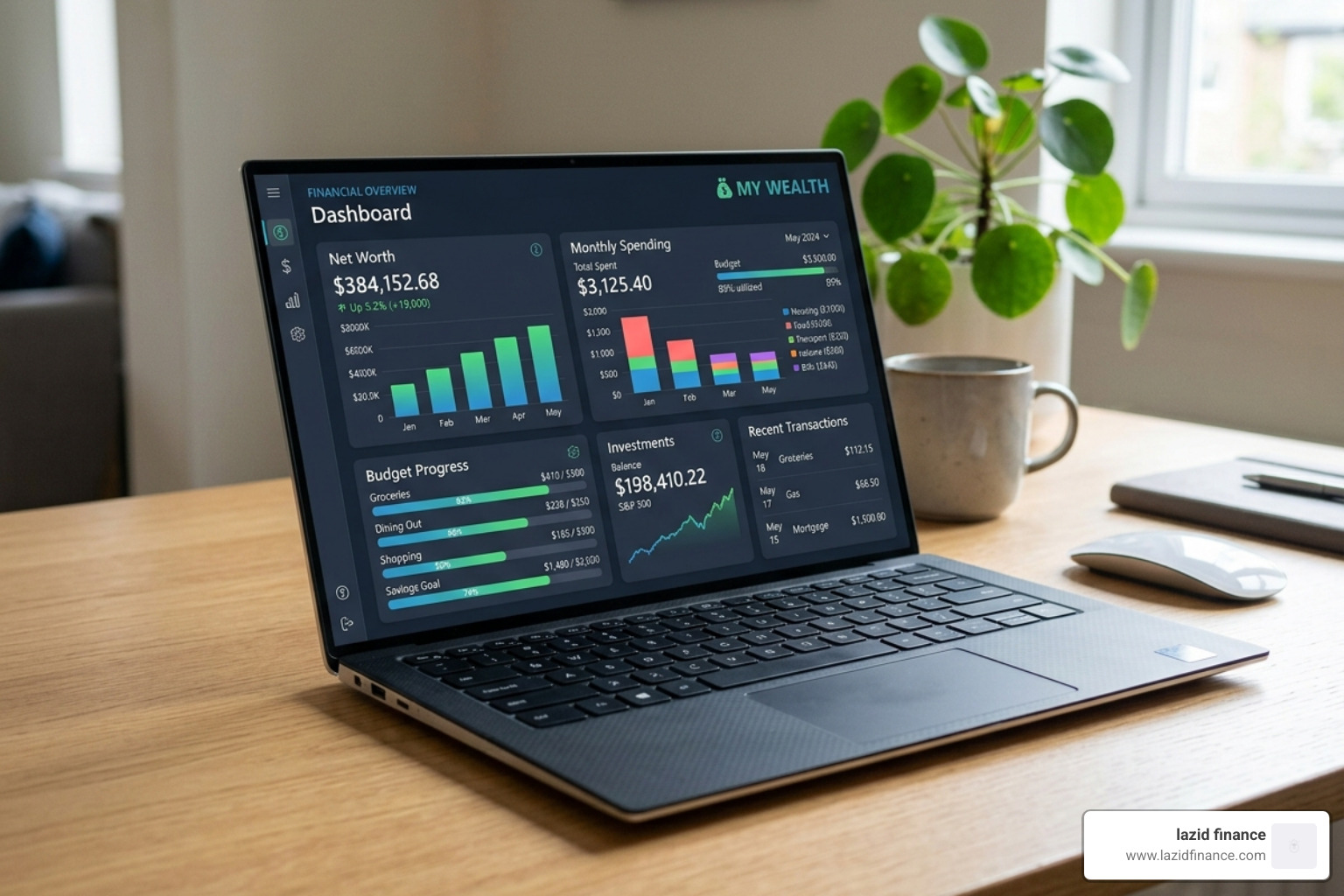
Tracking your net worth—the total of what you own minus what you owe—is the ultimate metric for financial health. High-end apps provide a holistic view of this figure, updating it as your loan balances decrease and your investment portfolios grow. This feature is particularly useful for those moving beyond basic budgeting into long-term wealth management.
Subscription and Bill Management
We’ve all been there: paying for a streaming service we haven’t watched in six months. Modern tools now include subscription management features that automatically detect recurring charges. Some even offer bill negotiation services or reminders to help us avoid late fees, ensuring we never lose money to forgetfulness again.
Comparing Budgeting Methodologies in Your Personal Finance App
Choosing a personal finance app often comes down to the “philosophy” of money it follows. Not everyone thinks about their cash the same way, and the apps we use reflect that diversity.
Zero-Based Budgeting
This is the “every dollar has a job” method. Popularized by leading methodology experts, zero-based budgeting requires us to allocate every cent of our monthly income to a specific category—whether that’s rent, groceries, or savings—until there is $0 left unassigned. It’s a proactive approach that forces us to make trade-offs. If we want to spend more on a vacation, we have to move money from another “job” to cover it.
Virtual Envelope System
Based on the old-school method of putting cash into physical envelopes, digital envelope apps digitize this process. We set aside “virtual envelopes” for different spending categories. It’s a time-tested method that works exceptionally well for those who want to see exactly how much “cash” is left for the month without overspending.
Flexible Spending Plans and Cash Flow Projections
Some of us find rigid categories stifling. Newer flexible spending plan platforms offer a “Spending Plan” approach. Instead of strict limits, they show us what’s left to spend after bills and savings goals are met. This is often paired with cash flow projections. While many apps look backward at what you spent, forward-looking tools show you where your finances are going, helping us make stress-free decisions about upcoming expenses.
Managing Irregular Income and Debt
For freelancers or those with fluctuating paychecks, some apps offer specific “Budget Bootcamps” or tools to handle irregular income. Additionally, structured debt payoff plans—using the snowball or avalanche methods—are often integrated to help us visualize the light at the end of the tunnel.
| Feature | Envelope Budgeting | Zero-Based Budgeting | Flexible Planning |
|---|---|---|---|
| Primary Goal | Prevent overspending | Give every dollar a job | Real-time cash flow |
| Effort Level | Medium | High | Low |
| Best For | Visual spenders | Goal-oriented planners | Busy professionals |
Choosing a Personal Finance App for Household Management
Managing money as a couple can be a source of stress, but the right personal finance app can turn those difficult conversations into shared goals. Some platforms allow us to invite a partner to collaborate on a single budget at no extra cost.
These “household” apps sync across multiple devices, allowing both people to see real-time updates on shared expenses. With communities of over 30,000 Redditors and millions of members discussing these tools, it’s clear that collaborative budgeting is a major trend. It allows for goal synchronization—like saving for a home or a child’s education—ensuring both partners are pulling in the same direction.
The Role of AI in a Personal Finance App
The most significant shift in 2026 is the integration of Artificial Intelligence. We are moving away from static charts and toward conversational interfaces.
- Financial Assistants: Some apps now feature AI “Genius” assistants that can plan travel itineraries within your budget or analyze insurance documents.
- Predictive Analytics: AI can look at our history and predict when a “while I’m here” shopping spiral is likely to happen, offering a gentle nudge to stay on track.
- Automated Savings: Innovative tools identify small amounts of money we can afford to lose and automatically transfer them into high-yield savings accounts, often earning rates 9x the national average.
- Fraud Detection: AI monitors accounts 24/7, scanning for dark web leaks or unusual transaction patterns to protect our identity.
Security, Connectivity, and the User Experience
When we link our entire financial life to a personal finance app, security is the top priority. Modern apps employ bank-grade data protection to ensure our information remains private.
Encryption and Authentication
Leading apps use 256-bit encryption—the same standard used by major banks. Furthermore, Multi-Factor Authentication (MFA) is now a requirement for any reputable tool. This adds an extra layer of security, ensuring that even if someone gets your password, they can’t access your financial data without a second form of verification.
Reliable Connectivity
To keep your data flowing, apps use specialized API providers like Plaid to create secure bridges between the app and over 14,000 financial institutions. This ensures that your balances are always up-to-date without the app ever actually “storing” your bank login credentials.
UI/UX and Mobile Accessibility
A personal finance app is only useful if you actually enjoy using it. The best tools in 2026 focus on clean, intuitive UI/UX design. Users expect a seamless transition between desktop software (for deep dives) and mobile apps (for quick spending checks). Whether you’re on an iPhone or Android, the experience should be fast, responsive, and—dare we say—fun.

Free vs. Premium: Evaluating the Value of Subscriptions
Is it worth paying for a personal finance app? The market is currently split between ad-supported free models and premium subscription services.
The Case for Free Apps
Popular free tracking tools are excellent for those who want to monitor their credit scores and track basic spending without a monthly fee. These are often ad-supported, meaning you might see offers for credit cards or loans tailored to your financial profile.
The Value of Premium Subscriptions
Paid apps—typically ranging from $5.99 to $14.99 per month—offer a cleaner, ad-free experience. Premium features often include:
- Investment Tracking: Deep dives into your portfolio performance and asset allocation.
- Advanced Reporting: Customizable charts and graphs that help you visualize long-term trends.
- Priority Support: Access to human customer service when you have a technical glitch.
- Bill Negotiation: Some premium tiers will actually call your internet or cable provider to lower your bills for you.
With many paid apps boasting ratings of 4.4 out of 5 from thousands of reviews, users clearly find value in the “all-in-one” convenience and enhanced privacy of a paid model.
Frequently Asked Questions about Personal Finance Tools
How do I transition from legacy budgeting tools to a new platform?
With the transition of several legacy budgeting tools, many users are looking to move their data. Most modern apps now offer “import” tools where you can upload a CSV file of your historical transactions. The key is to start by linking your current accounts to get a baseline, then slowly bring over your historical data to maintain your net worth trends.
Are personal finance apps safe to link to my bank?
Yes, provided you choose an app that uses bank-grade 256-bit encryption and multi-factor authentication. Most apps do not store your actual bank passwords; instead, they use secure tokens provided by third-party integrators like Plaid to view your transaction data.
Can these apps help with debt payoff and investment tracking?
Absolutely. Many apps are specifically designed to help you visualize debt reduction using structured plans. For investments, higher-tier apps can track your brokerage accounts, 401(k)s, and even crypto holdings, giving you a unified view of your portfolio’s performance against market benchmarks.
Conclusion
The landscape of personal finance has changed drastically by 2026. We no longer have to be “math people” to be good with money. Whether you prefer the strict discipline of zero-based budgeting, the visual clarity of virtual envelopes, or the high-tech assistance of an AI-driven spending plan, there is a personal finance app tailored to your needs.
At Lazid Finance, we believe in providing intelligent financial tools for conscious decisions. Our goal is to foster financial literacy and help you move toward mindful choices that secure your future. With over 20 million customers now using these digital tools to reach major milestones, the path to financial freedom is more accessible than ever.
By choosing a tool that aligns with your habits—and ensuring it meets the highest security standards—you can transform your relationship with money from one of stress to one of confidence.
Start your journey with Lazid Finance

