
In Depth Guide to Budget Planner
The Best Budget Planners to Take Control of Your Money in 2026
A budget planner is one of the most practical tools you can use to organize your income, track expenses, and work toward real financial goals. With thousands of options available — ranging from simple spiral notebooks to premium binders with cash envelopes — finding the right one can feel overwhelming.
Here are the top budget planner formats worth considering in 2026:
| Budget Planner Type | Format | Price Range | Typical Rating |
|---|---|---|---|
| Premium Hardcover | Hardcover notebook | ~$25-$35 | 4.6/5 |
| Budget Binder | Binder with envelopes | ~$15-$25 | 4.7/5 |
| Spiral Notebook | Spiral-bound | ~$15-$20 | 4.5/5 |
| Basic Tracker | Softcover notebook | From $6.99 | 4.5/5 |
What is a budget planner? It’s a structured notebook, binder, or digital tool that helps you record income, plan spending, track bills, and set savings goals — all in one place.
The right planner depends on your style. Some people prefer a physical notebook they can write in each morning. Others want a digital spreadsheet they can update on their phone. Both work — the best one is simply the one you’ll actually use.
Studies consistently show that people who budget are more likely to reach their financial goals, feel less financial stress, and save more money. Yet fewer than 40% of Americans use one.
This guide breaks down the top-rated formats, compares styles, and helps you find the best fit for your situation.
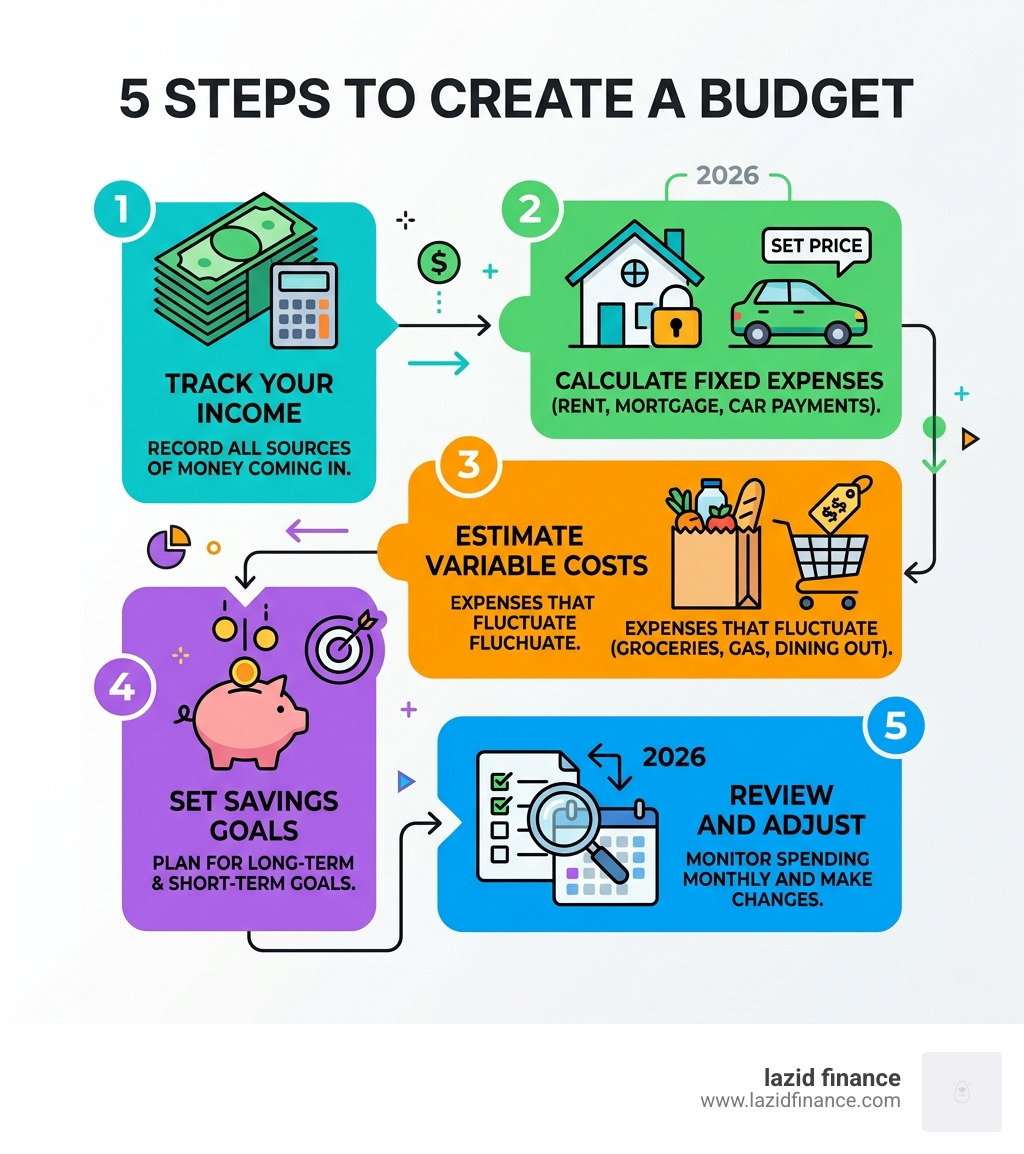
Why Every Household Needs a Budget Planner in 2026
In an era where digital subscriptions and “buy now, pay later” options make spending invisible, a budget planner provides much-needed financial clarity. As we navigate April 2026, the complexity of personal finance has only grown. We believe that awareness is the first step toward freedom; you cannot improve what you do not measure.
The primary benefit of using a budget planner is the reduction of financial stress. When you see your finances laid out on paper or a screen, the “fear of the unknown” disappears. You no longer wonder where your money went at the end of the month; you tell it where to go at the beginning. This is the essence of conscious spending—aligning your money with your personal values.
A high-quality budget planner helps you focus on several critical areas:
- Net Income Tracking: Many people confuse their gross salary with what they actually take home. A planner forces you to look at your “take-home pay” after taxes and deductions, which is the only number that truly matters for your lifestyle.
- Debt Reduction: With eight out of ten Americans currently in debt, having a dedicated space to track interest rates and balances is essential for staying motivated.
- Emergency Funds: Experts recommend saving enough to cover 3 to 6 months of expenses. A planner helps you visualize your progress toward this safety net.
- Savings Goals: Whether it is a home renovation, a 2027 summer vacation, or a new car, a planner turns a vague wish into a concrete plan.
For those looking for a structured starting point, the Budget Planner – Canada.ca offers a comprehensive look at how a government-backed tool can help categorize these needs. By using such tools, we move away from “miserly hoarding” and toward intentional allocation.
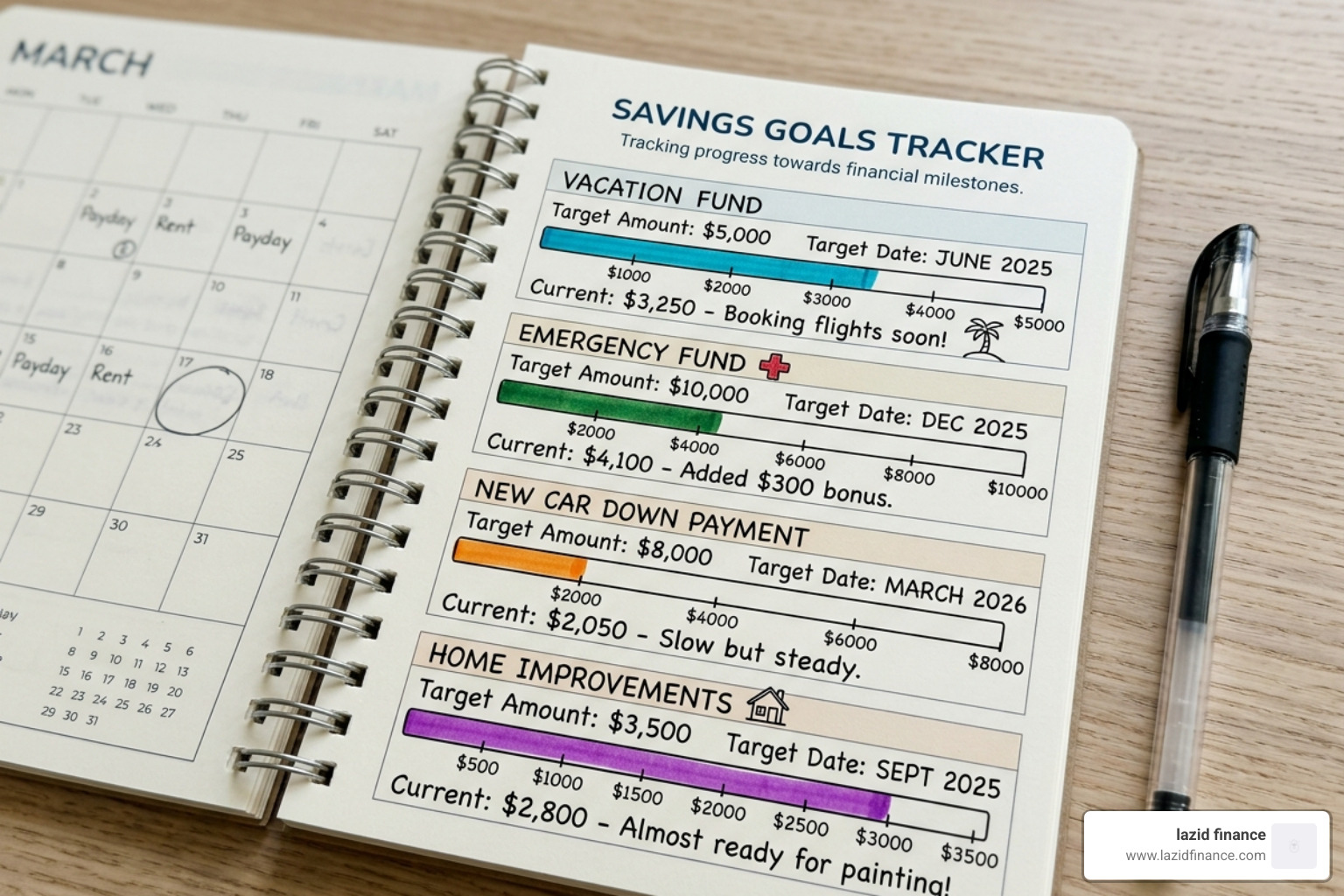
Key Features to Look for in a High-Quality Planner
When shopping for a budget planner, it is easy to get distracted by pretty covers. However, the functionality of the pages is what will keep you consistent. In our experience at Lazid Finance, the best tools are those that blend ease of use with comprehensive data points.
Here are the standout features to prioritize:
- Undated Formats: This is a fan favorite. Undated planners allow you to start your financial journey on any day of the year—even a random Tuesday in April—without wasting pages.
- FSC Certification: For the eco-conscious user, look for planners with Forest Stewardship Council certification. This ensures the paper used comes from responsibly managed forests.
- Sinking Funds Sections: These are dedicated pages for irregular expenses like annual car insurance or holiday gifts. By saving $100 a month for a $1,200 annual bill, you prevent “budget-busting” surprises.
- Durability and Portability: If you plan to carry your budget planner in a bag, a hardcover or high-quality spiral binding is a must.
- Habit Trackers: Many modern planners include sections to track non-financial habits, recognizing that our physical and mental health often impacts our spending choices.
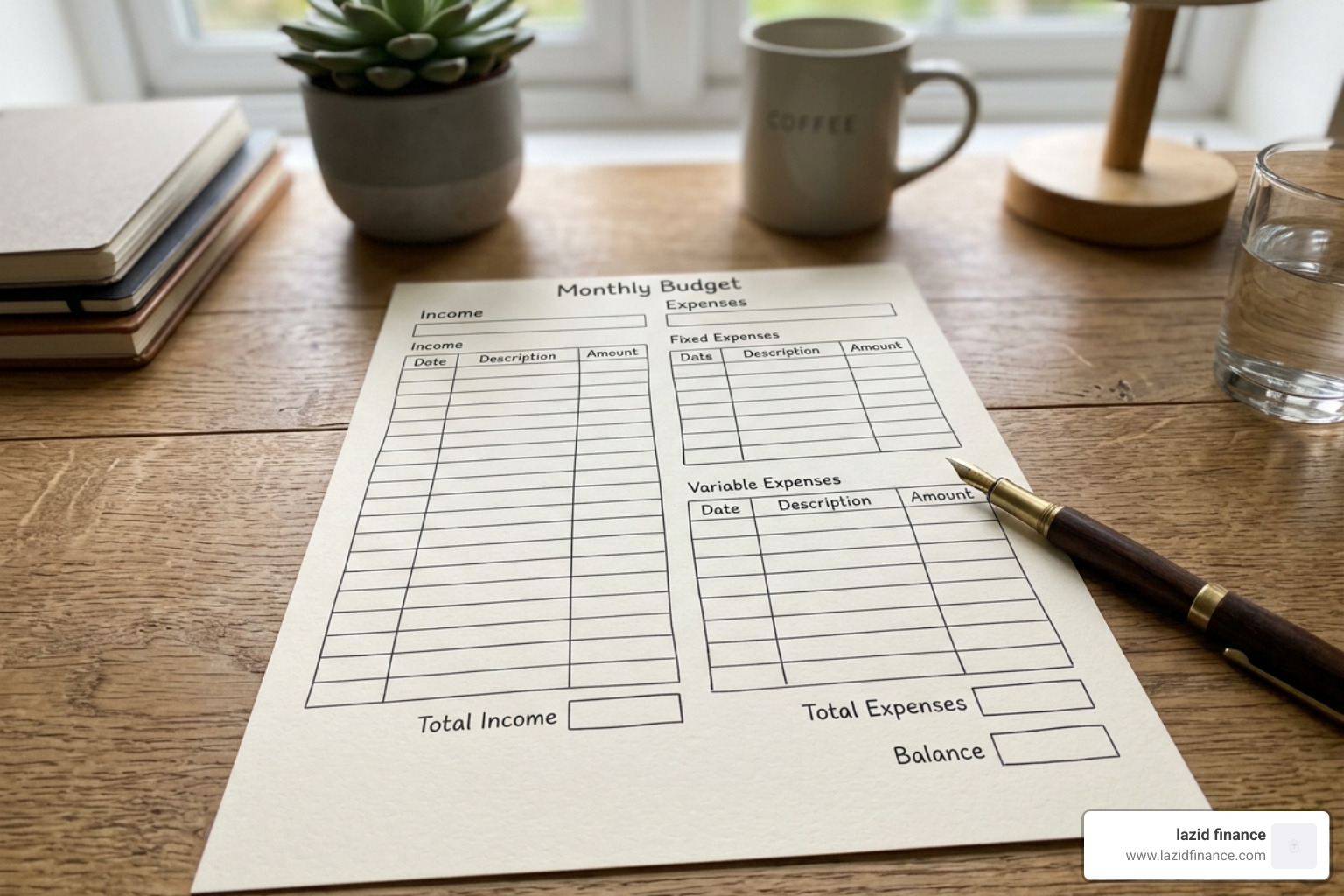
Selecting a Budget Planner for Beginners
If you are new to personal finance, the most common mistake is buying a planner that is too complex. Beginners should look for simple layouts with guided sections and pre-populated categories (like “Housing,” “Groceries,” and “Utilities”).
A great way to “test drive” layouts is to use Free and customizable budget templates – Canva. These allow you to print different styles to see if you prefer minimalist aesthetics or illustrative, colorful designs. The goal for a beginner is to build the habit of tracking, not to become an overnight accountant.
Advanced Budget Planner Features for Debt Payoff
For those who have mastered the basics, a budget planner should serve as a strategic weapon against debt. Advanced users should look for:
- Debt Snowball/Avalanche Trackers: Specific pages to list debts by balance or interest rate.
- Investment Tracking: Space to log contributions to retirement accounts or brokerage portfolios.
- Net Worth Calculators: A monthly or quarterly section to subtract your liabilities from your assets to see the “big picture” of your wealth.
- Annual Summaries: These pages help you spot seasonal trends, such as utility spikes in summer or increased spending during the winter holidays.
Comparing Physical Binders vs. Digital Spreadsheets
The debate between physical and digital is alive and well in 2026. While some crave the tactile feel of pen on paper, others require the automation of a spreadsheet.
| Feature | Notebook/Binder | Digital Spreadsheet/App |
|---|---|---|
| Best For | Mindfulness & Memory | Automation & Accuracy |
| Privacy | High (Offline) | Variable (Cloud-based) |
| Customization | Limited to layout | High (Add rows/formulas) |
| Cost | One-time purchase | Often free or subscription |
| Portability | Physical bag space | Pocket (Mobile phone) |
The Cash Envelope System Many physical binders utilize the “Time-Tested Envelope Method.” This involves placing physical cash into labeled envelopes for different categories. When the envelope is empty, you stop spending in that category. It is an incredibly effective way to curb impulse spending.
Spiral-Bound vs. Hardcover Spiral-bound notebooks stay flat on a desk, making them easier to write in. Hardcover planners offer better protection for long-term storage, which is useful if you want to keep your financial records for several years.
Digital Advantages For those who prefer a keyboard, Free budget template spreadsheets to customize | Microsoft Excel provides pre-populated formulas. This ensures that your math is always 100% accurate, which can be a relief for those who find manual calculations daunting.
Frequently Asked Questions about Personal Finance
How do I start using a budget planner if I have never budgeted before?
Start by tracking your spending for exactly one month without changing your habits. Just observe. Use your bank and credit card statements to see where the money is actually going. Once you have this “reality check,” fill in your first monthly plan based on those real numbers, then look for small areas to trim.
What is the best way to handle irregular income in a monthly planner?
If your income varies (e.g., freelance work or sales commissions), we recommend budgeting based on your lowest typical income month. Anything earned above that amount can be treated as a “bonus” and sent straight to savings or debt payoff. Alternatively, use a “buffer” system where you spend this month’s money based on what you earned last month.
How often should I review and update my budget entries?
We recommend a “Weekly Check-in.” It usually takes about 5 to 10 minutes to log your transactions and see where you stand. At the end of the month, set aside 30 minutes for a “Monthly Review” to assess what worked and what didn’t. Consistency is far more important than perfection.
Conclusion
Achieving financial peace isn’t about how much you earn; it’s about how well you manage what you have. Whether you choose a high-end leather binder or a simple digital template, the act of using a budget planner puts you in the driver’s seat of your life.
By making mindful choices today, you are building a secure foundation for your future self. At Lazid Finance, we are dedicated to providing the tools and insights you need to navigate your financial journey with confidence. Ready to take the next step? Achieve your goals with Lazid Finance and discover smart finance solutions tailored for your unique life.

