
The Complete Guide to Expense Tracker
The Best Expense Trackers in April 2026: A Complete Comparison
An expense tracker is an app or tool that records, categorizes, and analyzes your spending — and right now, the market is packed with great options. Here are the top categories to know about:
| Expense Tracker Type | Best For | Starting Price |
|---|---|---|
| Zero-based budgeting | Stress reduction & intentionality | Paid subscription |
| Comprehensive Planning | Couples & long-term goals | Paid subscription |
| Business Management | Small business & team expenses | Free / Per member |
| Bank-Sync Tools | Everyday personal budgeting | Free |
| Shared Expense Apps | Group cost splitting | Free / PRO upgrade |
| Offline Trackers | Privacy-first personal tracking | Free |
| Credit-Linked Tools | Free spending tracking | Free |
Managing money is stressful. Most people don’t know exactly where their paycheck goes — until it’s already gone.
That’s where an expense tracker changes everything.
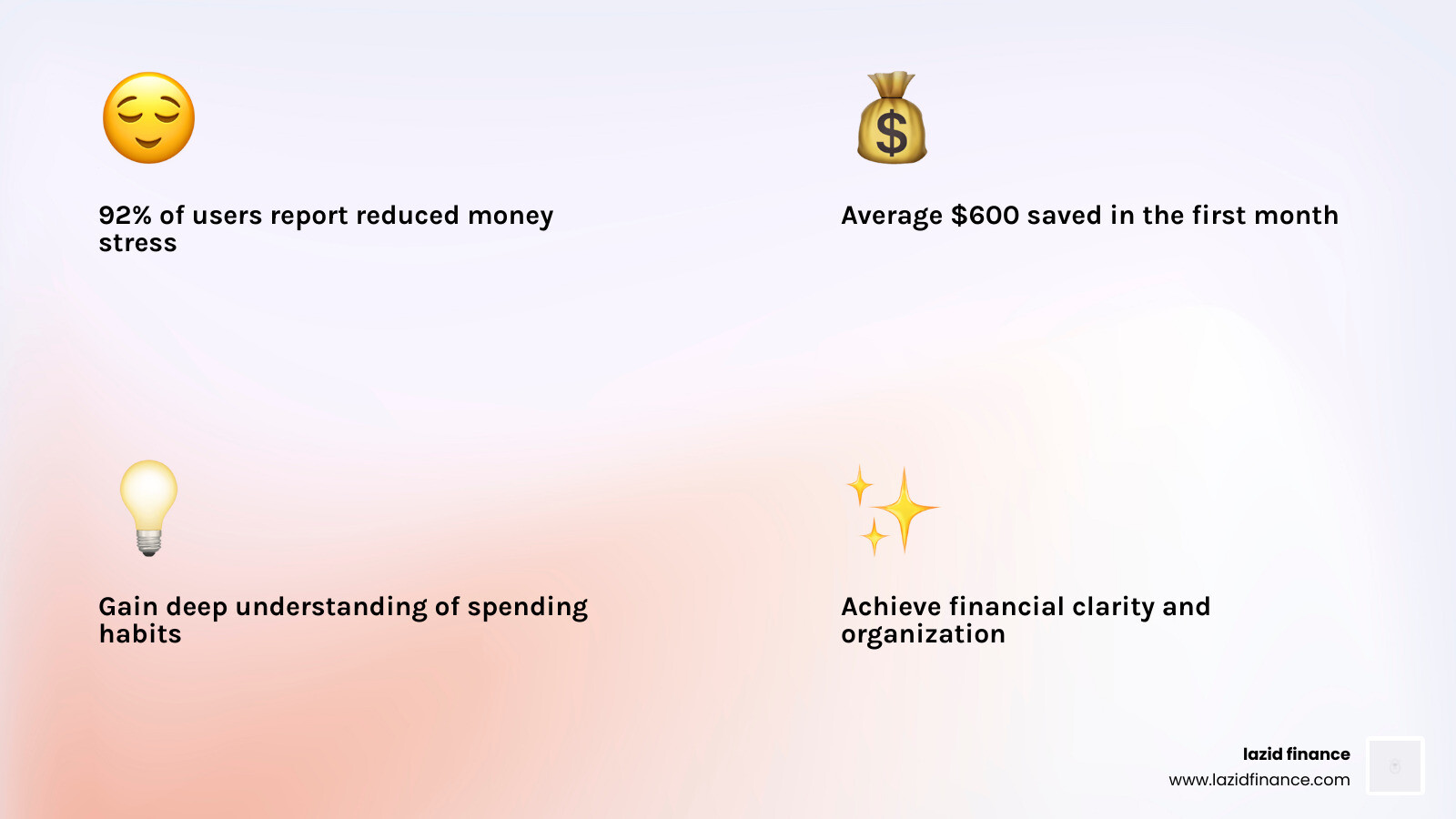
Research shows that 92% of users who adopt intentional budgeting methods report feeling less money stress after starting to track their finances. The average user saves $600 in their first month alone. Those aren’t small numbers.
Whether you’re an individual trying to stop overspending, a couple managing shared goals, or a small business owner juggling receipts and reimbursements — there’s a tool built for exactly your situation.
In this guide, we explore the best expense tracking solutions available in April 2026 so you can find the right fit fast.
What is an Expense Tracker and Why Do You Need One?
At its core, an expense tracker is a digital hub for your financial life. Gone are the days of stuffing faded paper receipts into a shoebox or trying to remember if you paid the electricity bill while standing in line at the grocery store. In April 2026, tracking your money is about more than just seeing a list of transactions; it is about gaining a deep understanding of your spending habits and aligning your money with your values.
We believe that financial organization is the first step toward “money clarity.” When you can see exactly where every dollar goes, you stop “winging it” and start making conscious decisions. Digital tracking solutions allow us to monitor our net worth in real-time, identify wasteful subscriptions, and ensure our hard-earned cash is working as hard as we are.
Primary Benefits of a Personal expense tracker
The psychological impact of using an expense tracker is profound. When we look at the data, the numbers speak for themselves. Beyond the 92% of users who feel less stressed, about 90% of people using these tools report that their finances are in a significantly better place than when they started.
Here are the primary advantages we see most often:
- Savings Accumulation: It is hard to save for a house or a dream vacation if you don’t know your “leaks.” Users of top-tier trackers often save upwards of $6,000 in their first year.
- Financial Goal Planning: Whether it is paying off $30,000 in debt or building a three-month emergency fund (which 70% of dedicated trackers achieve), these tools provide the roadmap.
- Habit Formation: Tracking changes how you think about money. It moves spending from an impulsive act to a planned choice.
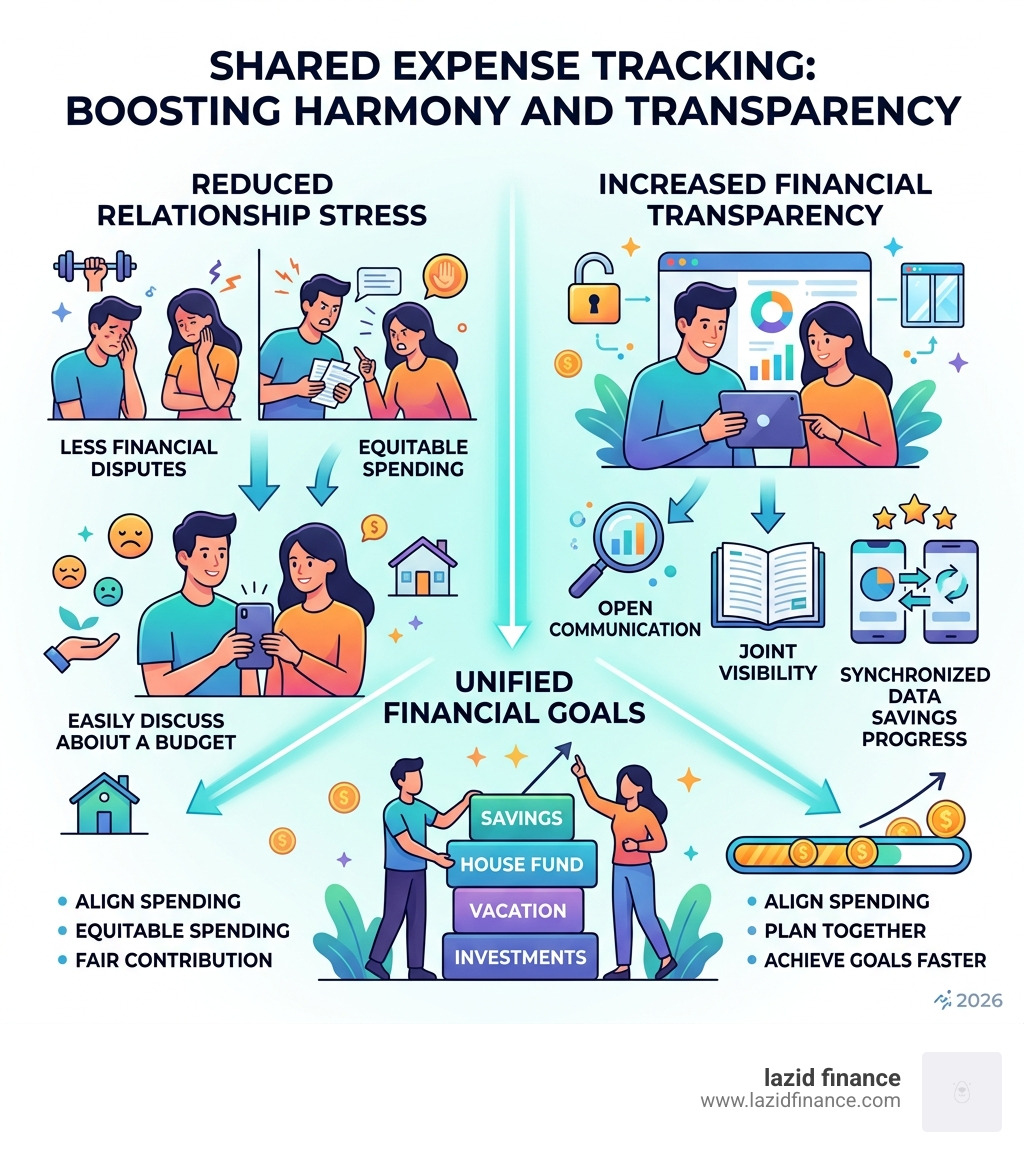
- Relationship Harmony: For many, money is a source of friction. Using a shared expense tracker transforms stressful guesswork into a clear, shared plan of action.
Advantages for Small Business Finance
For the entrepreneurs and freelancers among us, an expense tracker is not just a “nice-to-have”—it is a survival tool. Managing business finances requires a level of precision that spreadsheets often can’t match.
Using professional spend management software can reduce the time spent on corporate card reconciliation by a staggering 90%. That is time you could spend growing your business instead of chasing employees for receipts.
The primary business benefits include:
- Tax Compliance: Automated logs ensure you never miss a deduction.
- Reimbursement Workflows: Employees can scan a receipt, and the system handles the approval and payout, often 50% faster than manual methods.
- Cash Flow Monitoring: Real-time insights allow business owners to see exactly how much “runway” they have left.
- Audit Readiness: Having a digital, searchable trail of every business expense makes tax season a breeze rather than a nightmare.
Key Features to Look for in an expense tracker
Not all trackers are created equal. Some are built for the “data nerd” who wants every chart imaginable, while others are designed for the “minimalist” who just wants to know they aren’t overdrawn.
When we evaluate an expense tracker, we look at these core areas:
| Feature | Manual Tracking (Spreadsheets) | Automated Tracking (Apps) |
|---|---|---|
| Data Entry | High effort (typing every cost) | Low effort (bank sync/OCR) |
| Accuracy | Prone to human error | High (direct from source) |
| Reporting | Requires formula knowledge | Instant, visual charts |
| Real-time Updates | No | Yes (instant notifications) |
| Security | Device-dependent | Bank-level encryption/2FA |
| Cost | Usually free | Free to $15+/month |
Data Security and Privacy Standards
We know what you’re thinking: “Is it safe to give an app access to my bank account?” This is a valid concern. In April 2026, the gold standard for security in the personal finance industry includes:
- Bank-Level Encryption: Ensuring your data is unreadable to hackers.
- Two-Factor Authentication (2FA): An extra layer of protection beyond just a password.
- Read-Only Access: Most apps only see your data; they cannot move your money or make transactions.
- Compliance Certifications: Look for apps that are PCI-DSS Level 1, SOC1, and SOC2 Type II certified.
For a plain-language overview of security controls and why standards matter, it can also help to review resources on two-factor authentication and PCI DSS.
Some apps support over 3,500 banks worldwide, while others offer a completely offline mode for those who prefer to keep their data strictly on their own device.
Financial Insights and Reporting
The real magic happens when an expense tracker turns raw data into insights. We don’t just want to know we spent $200 on “Food”; we want to know that our grocery spending has increased by 15% over the last three months while our “Dining Out” has stayed flat.
Modern tools offer:
- Predictive Alerts: Notifications that tell you if you’re on track to overspend before the month ends.
- Net Worth Tracking: Consolidating your bank accounts, loans, real estate, and even cryptocurrency into one number.
- Custom Charts: Visualizing your cash flow trends so you can spot patterns at a glance.
Different Methods for Logging Your Spending
How you get your data into the app is arguably the most important part of the user experience. If it’s too hard, you won’t do it.
Automated Bank Synchronization
This is the “set it and forget it” method. By linking your financial institutions (some apps support over 17,000 different banks and lenders), your transactions flow into your expense tracker automatically.
The benefits are clear: it’s convenient, it’s accurate, and it captures those pesky “hidden” costs like automated subscriptions or bank fees that we often forget to log manually. However, the downside is that it can lead to “passive” tracking—you might stop paying attention to your spending because the app is doing it for you. We recommend reviewing your synced transactions at least once a week to stay mindful.
Receipt Scanning and AI Capture
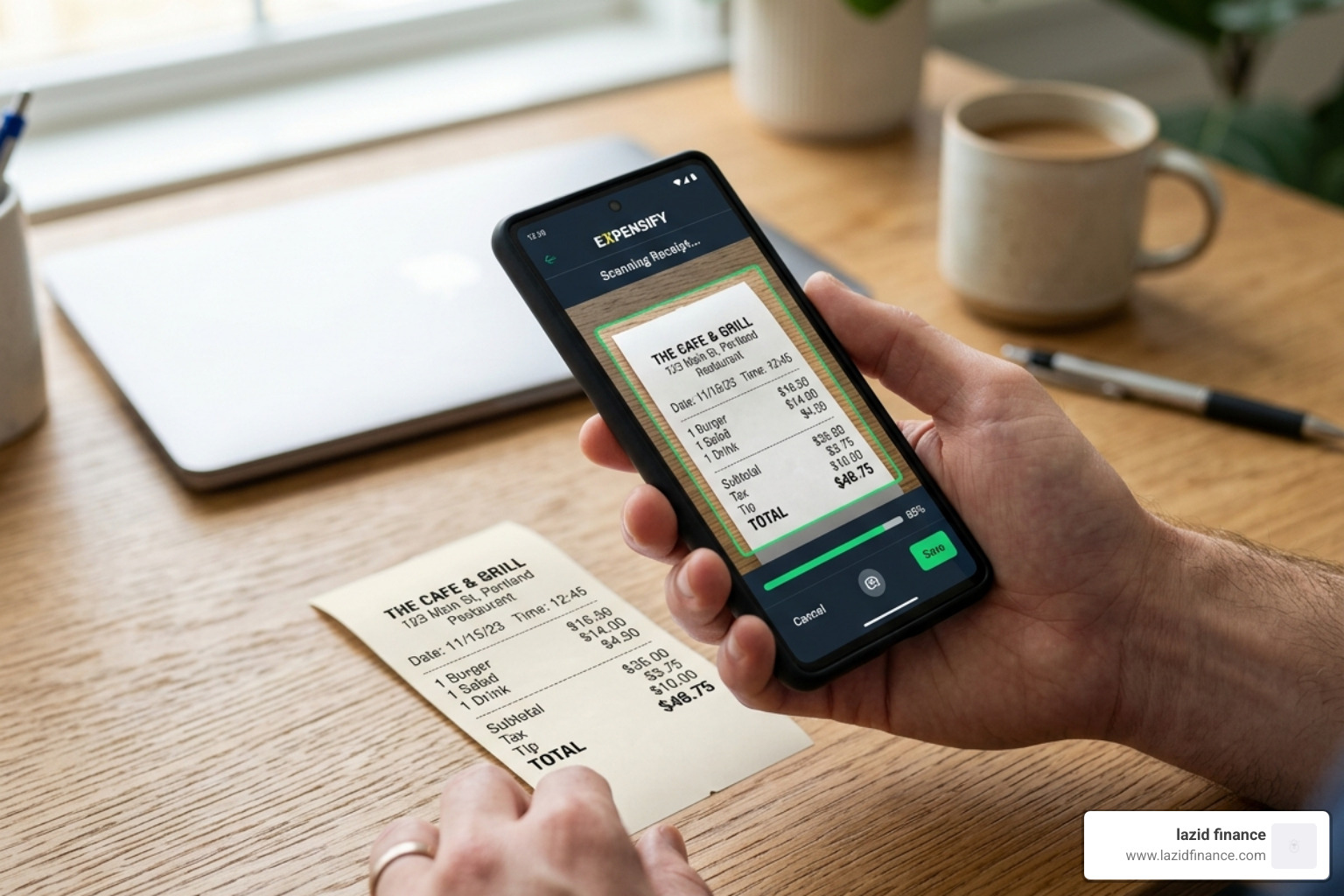
For business travelers or those who deal heavily in cash, receipt scanning is a lifesaver. Using Optical Character Recognition (OCR) technology, apps can “read” a receipt, identify the merchant, the date, and the total amount, and even categorize it for you.
Leading platforms use an AI-powered “Concierge” to flag policy violations and errors automatically. This level of automation is why over 15 million members trust these platforms to handle their back-office operations “at the speed of chat.”
Other popular capture methods include:
- Email Forwarding: Send your digital receipts (like Amazon or Uber) to a specific address, and they appear in your tracker.
- SMS Parsing: Some Android apps can read bank notification texts to log expenses instantly.
- Manual Entry: Still the best for building “spending friction”—making you physically type in the cost of that $7 latte can be a powerful deterrent!
How to Choose the Best Tool for Your Financial Goals
Choosing an expense tracker is a personal decision. What works for a college student won’t work for a growing tech startup. In the current market of April 2026, pricing models generally fall into three categories: free (ad-supported or basic features), subscription (full automation and support), or one-time purchase (rare for cloud-based apps).
How to Choose the Best expense tracker for Your Needs
Before you hit “download,” ask yourself these questions:
- What is my primary goal? (Paying off debt? Saving for a house? Business reimbursements?)
- How much effort am I willing to put in? (Do you want full automation, or do you prefer the discipline of manual entry?)
- Do I need to share this? (Are you tracking with a partner or a team?)
- What is my budget? (Are you willing to pay $10/month to save $600/month?)
For those who want a “home base” for all things money, comprehensive financial platforms are a strong contender, often trusted by over 1,000,000 members. If you’re looking for something entirely free and don’t mind a bit of manual setup, privacy-focused apps with high user ratings are a solid choice.
Managing Shared Household Budgets
Shared finances can be a minefield. Whether it’s splitting rent with roommates or managing a “yours, mine, and ours” system with a spouse, collaborative tools are essential.
Collaborative apps are perfect for “group friction.” They allow you to add expenses on the go, split them by percentage or share, and “settle up” without the awkwardness of asking for money. For more integrated household management, look for trackers that allow for “Family Sharing” or “Partner Invites.” This ensures both parties have a clear view of the goals, reducing arguments and increasing financial harmony.
Frequently Asked Questions about Expense Tracking
How do trackers help with creating a budget?
An expense tracker provides the historical data you need to set realistic limits. Many apps use “zero-based budgeting” (giving every dollar a job), which forces you to decide where your money goes before you spend it. Progress bars and notifications keep you updated on how much “fun money” is left so you don’t overspend.
Are free expense trackers secure for bank syncing?
Generally, yes, provided they use industry-standard protocols. Most reputable free apps use third-party aggregators (like Plaid) to connect to your bank. This means the app never actually sees or stores your login credentials. However, always read the privacy policy to see how they use your data—some free apps may sell anonymized spending data for marketing insights.
Can I track both personal and business expenses in one tool?
Yes, many top-tier trackers allow you to create multiple “profiles” or “spaces.” You can tag transactions as “Business” or “Personal” and run separate reports for each. This is incredibly helpful for freelancers who need to separate their tax-deductible expenses from their grocery bills while still seeing their overall net worth in one dashboard.
Conclusion
The journey to financial freedom doesn’t start with a massive inheritance or a lottery win; it starts with a single, conscious choice to see where your money is going. Whether you choose a high-powered AI tool or a simple, privacy-focused app, the best expense tracker is the one you will actually use.
We’ve seen that tracking isn’t about restriction-it’s about freedom. It’s about having the “money clarity” to spend joyfully on what matters and cut ruthlessly on what doesn’t.

At Lazid Finance, we are dedicated to providing the tools and insights you need to make these mindful choices every day. Ready to take control of your financial future?

